
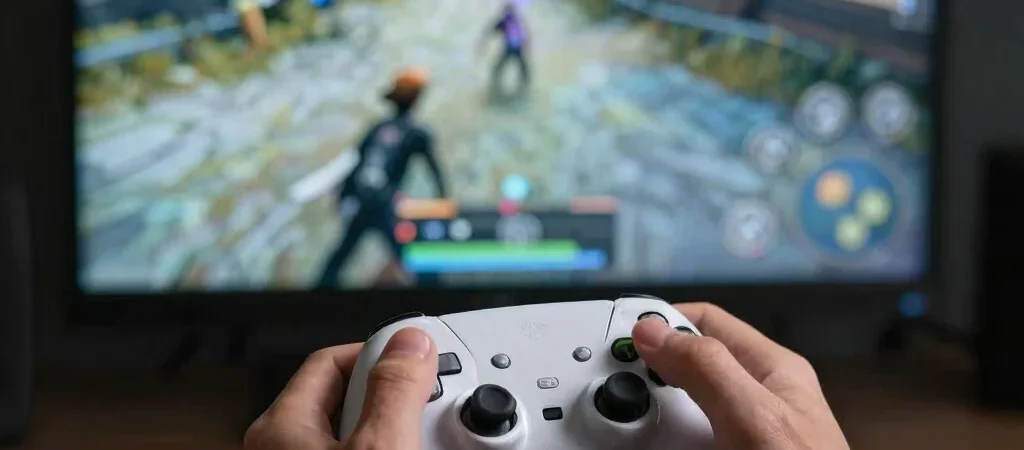
There’s a particular kind of failure that makes me lean closer to the screen. I miss a jump, get caught by the same enemy again, and immediately know what I want to try differently. That second attempt feels less like a penalty and more like a conversation the game has finally made clear.
A Useful Kind of Retry
A retry works best when the reason for failure is legible. Maybe I mistimed a dodge, ignored a warning animation, or tried to rush a room that rewards patience. If I can name the mistake, the next attempt has a purpose; if I can’t, repeating it starts to feel like paying a fee for information.
Friction Has a Cost
The walk back to a difficult encounter matters, too. A short reset keeps my attention on learning the fight, while a long stretch of repeated rooms can turn concentration into irritation. That doesn’t mean every game needs to remove its consequences. It does mean those consequences should add something beyond extra minutes.
Notice the Next Attempt
After a loss, I try to ask one simple question: what will I change on the next run? If the answer comes quickly, the setback may be teaching me the game’s language. If all I can think about is getting back to where I was, it might be time for a break—or a different approach.