
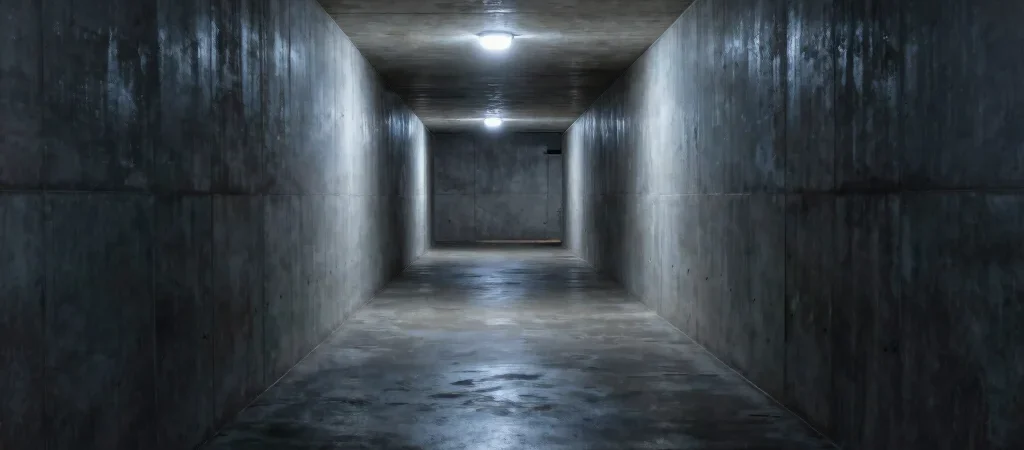
I notice a game’s sound most when I stop moving. In an empty corridor, a low electrical hum, distant machinery, or the soft click of my character’s steps can make stillness feel charged. Nothing has attacked, and yet the room has already changed how I play.
Silence Is Never Blank
Even a sparse soundtrack has a shape. The air may feel padded after a loud encounter, or a single repeated noise may pull my attention toward a doorway. When a game leaves space around those sounds, I start listening for meaning instead of treating the background as decoration.
Sound Changes Movement
Footsteps can make a wide room feel exposed; an echo can make a narrow one seem deeper than it looks. That changes the small decisions I make: whether to sprint, turn the camera, or pause before crossing a threshold. Sound is not only mood. It can become part of the game’s practical language.
Try Playing More Quietly
Next time a game gives you a safe room or an uneventful stretch, take a moment before moving on. Listen for what repeats, what fades, and what changes when you turn away from the screen’s center. It’s a simple way to notice how carefully a place has been made—and how much of playing happens through your ears.